BusinessesChina Home

Category

Trade & Supply Chain

28 articles

The Certificate Wall: What a Chinese Supplier's Framed ISO Badges Actually Certify

The Certificate Wall: What a Chinese Supplier's Framed ISO Badges Actually Certify

A polished lobby display of ISO 9001, UL, and social-audit certificates has become a standard ritual of Chinese factory tours, yet most of those frames attest to paperwork systems rather than the line running your order. This analysis separates the three families of documentation US buyers encounter and outlines a verification routine that tests claims instead of admiring them.

When You Become the Second-Favorite Customer: Managing Supplier Capacity Before It Manages You

When You Become the Second-Favorite Customer: Managing Supplier Capacity Before It Manages You

The email arrives on a Tuesday: your factory has signed a major new American client. Congratulations are in order — and so is an immediate review of your own position in the production queue. Capacity competition is a permanent feature of China sourcing, and treating supplier diversification as a one-time exercise is how good importers get quietly deprioritized.

Incentive Maps and Industrial Parks: The Quiet Rise of China's Second-Tier Manufacturing Hubs

Incentive Maps and Industrial Parks: The Quiet Rise of China's Second-Tier Manufacturing Hubs

While US sourcing teams default to Shanghai, Shenzhen, and Dongguan, a wave of smaller Chinese municipalities is quietly assembling aggressive packages of tax relief, subsidized land, and streamlined approvals to win foreign buyers. For procurement leaders willing to look past the familiar coastal names, the economics can be compelling — provided they understand the trade-offs.

Layers of Cost: How Export Trading Companies in China Quietly Inflate What US Buyers Actually Pay

Layers of Cost: How Export Trading Companies in China Quietly Inflate What US Buyers Actually Pay

Between China's factory floors and US receiving docks sits a vast, often opaque layer of export trading companies that shape pricing in ways most importers never fully examine. Understanding how these intermediaries structure their fees — and when they genuinely earn them — is one of the most consequential cost decisions a US procurement team can make. This analysis breaks down the mechanics, the risks, and the real savings opportunities that come from knowing when to go direct.

Shadow Ledgers and Blind Spots: What US Importers Don't Know About Chinese Supplier Accounting

Shadow Ledgers and Blind Spots: What US Importers Don't Know About Chinese Supplier Accounting

Many Chinese manufacturers maintain parallel financial reporting systems tailored to different audiences — tax authorities, domestic banks, and foreign buyers each receive a different picture. For US importers attempting to evaluate supplier solvency and long-term reliability, this financial opacity carries serious commercial risk that standard due diligence rarely uncovers.

Made in America, Built with China: The Hidden Component Dependency Reshoring Companies Won't Advertise

Made in America, Built with China: The Hidden Component Dependency Reshoring Companies Won't Advertise

Thousands of US manufacturers have announced reshoring initiatives in recent years, relocating final assembly and production to domestic facilities. Yet beneath the patriotic branding, a quiet reality persists: the components feeding those American factories are still overwhelmingly sourced from China, creating supply chain vulnerabilities that decoupling rhetoric consistently obscures.

The Invisible Layer: How Chinese Trading Companies Are Silently Rewriting US Import Costs

The Invisible Layer: How Chinese Trading Companies Are Silently Rewriting US Import Costs

Thousands of US importers believe they are purchasing directly from Chinese manufacturers — but a significant share are, in fact, transacting through intermediary trading companies that add margin, complexity, and opacity to every deal. Understanding who sits between the factory floor and the purchase order is no longer optional for US procurement professionals seeking genuine cost control.

Margin Erosion at the Dock: The Freight Forwarding Fees US Importers Are Overlooking in China's Logistics Chain

Margin Erosion at the Dock: The Freight Forwarding Fees US Importers Are Overlooking in China's Logistics Chain

Freight forwarders operating between Chinese ports and US destinations collect a layered series of fees that rarely receive the scrutiny applied to factory pricing or tariff schedules. For US importers, this gap in due diligence is quietly compressing margins on shipments that otherwise appear competitively priced. Understanding where these charges originate — and why they persist — is becoming an essential discipline for procurement and logistics teams.

Deferred Payment, Deferred Reckoning: The True Cost of Chinese Supplier Financing That US Importers Keep Missing

Deferred Payment, Deferred Reckoning: The True Cost of Chinese Supplier Financing That US Importers Keep Missing

Flexible payment terms offered by Chinese manufacturers can look like a competitive advantage on paper, but for many US importers, they quietly redistribute risk, inflate total cost of ownership, and erode margins over time. Understanding how informal financing structures actually work — and who ultimately bears the cost — is essential for any procurement team sourcing from China in 2026.

Faster Factories, Slower Decisions: How Chinese Manufacturing Speed Is Quietly Disrupting US Product Cycles

Faster Factories, Slower Decisions: How Chinese Manufacturing Speed Is Quietly Disrupting US Product Cycles

Chinese factories' ability to compress production timelines has become one of the most seductive—and strategically dangerous—forces in modern US procurement. The promise of rapid turnaround is real, but the downstream consequences for product development, inventory planning, and budget integrity are rarely discussed. This investigation examines the paradox at the heart of speed-driven sourcing.

China's Invisible Power Brokers: How Distributors Control the Deals US Companies Think They've Already Won

China's Invisible Power Brokers: How Distributors Control the Deals US Companies Think They've Already Won

US importers who believe they have secured a direct relationship with a Chinese manufacturer are often operating under a costly illusion. Between the factory floor and the American buyer sits a distributor tier that quietly controls product specifications, pricing flexibility, and delivery reliability. Understanding this intermediary layer is not optional — it is the difference between a supply chain that performs and one that perpetually disappoints.

Price Controls You Never Agreed To: How China's State-Directed Cost Mechanisms Are Quietly Reshaping What US Importers Pay

Price Controls You Never Agreed To: How China's State-Directed Cost Mechanisms Are Quietly Reshaping What US Importers Pay

China's government doesn't just regulate industries — it actively manages the pricing of raw materials, energy, and strategic commodities in ways that rarely appear in any supplier contract. For US importers, this creates a layer of cost volatility that is both structurally embedded and nearly impossible to anticipate without the right intelligence framework.

Decoupling in Name Only: The Real Geography of US Manufacturing After the China Exodus

Decoupling in Name Only: The Real Geography of US Manufacturing After the China Exodus

US executives have spent years announcing dramatic departures from Chinese manufacturing, but the data tells a more complicated story. For most industries, 'leaving China' has meant relocating to Vietnam, India, or Mexico — not rebuilding American factory floors. Understanding where production has actually gone, and why, is essential intelligence for any US business navigating global sourcing in 2026.

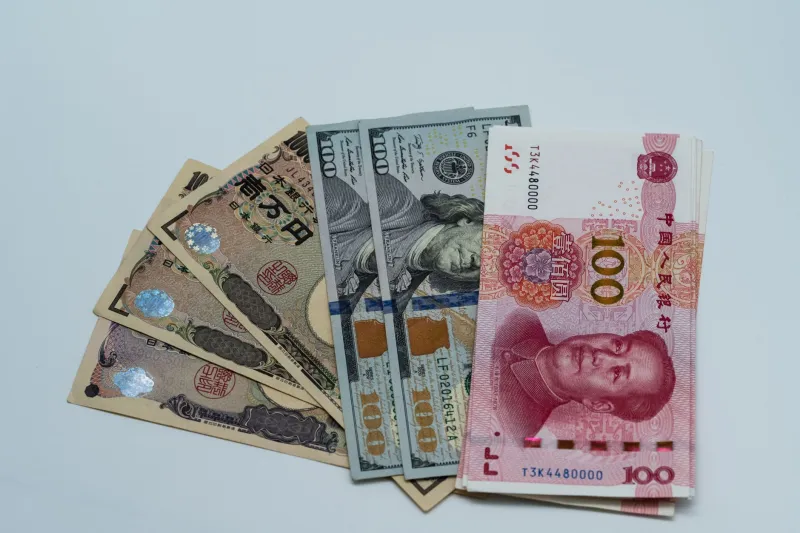
Yuan Volatility in 2026: The Hidden Force Eroding US Importers' Profit Margins

Yuan Volatility in 2026: The Hidden Force Eroding US Importers' Profit Margins

While tariffs and freight costs dominate the headlines, currency fluctuations between the US dollar and Chinese yuan are quietly reshaping the economics of importing from China. US procurement teams that ignore the RMB factor are increasingly finding their margins compressed in ways that no amount of supplier negotiation can fix. This article examines how currency dynamics are playing out in 2026 and what practical steps forward-thinking importers are taking to protect their bottom lines.

Sample Trap: How Chinese Manufacturers' Low-Cost Prototyping Is Quietly Rewiring US Procurement Strategy

Sample Trap: How Chinese Manufacturers' Low-Cost Prototyping Is Quietly Rewiring US Procurement Strategy

Chinese manufacturers have mastered the art of the low-friction entry point, offering customized samples and prototypes at little to no cost — a strategy that is fundamentally reshaping how US procurement teams evaluate and commit to suppliers. But beneath the apparent generosity lies a complex web of psychological dependencies, quality inconsistencies at scale, and supplier lock-in dynamics that many US buyers only recognize once they are already deep inside the relationship. This article exami

When Fast Becomes Costly: The Quality Control Gaps Blindsiding US Procurement Teams in Chinese Factories

When Fast Becomes Costly: The Quality Control Gaps Blindsiding US Procurement Teams in Chinese Factories

Optimizing for speed and price in Chinese manufacturing can quietly erode product quality in ways that don't surface until goods reach US consumers. From product recalls to brand-damaging failures, the downstream costs of overlooked quality controls are forcing procurement teams to rethink how they measure value. This article offers a practical framework for distinguishing acceptable trade-offs from dangerous ones before problems reach the market.

Lost in Translation, Lost in Court: What Chinese Contract Language Is Really Saying to US Companies

Lost in Translation, Lost in Court: What Chinese Contract Language Is Really Saying to US Companies

American executives routinely sign Chinese business contracts without understanding the cultural and legal assumptions embedded in the language itself. From ambiguous obligation clauses to relationship-based enforcement norms, the gap between what a contract says and what it means in practice has cost US companies hundreds of millions of dollars. Here is what your legal team needs to know before the next signature.

Counterintuitive Commerce: The Chinese Sectors Growing Stronger Because of US Tariffs

Counterintuitive Commerce: The Chinese Sectors Growing Stronger Because of US Tariffs

US tariffs were designed to pressure Chinese industry, but for select sectors, the restrictions have functioned more like a competitive shield. From rare-earth processing to specialty chemicals, certain Chinese industries are emerging from the trade conflict with consolidated market positions and accelerated innovation capacity — developments that carry significant implications for US procurement teams and sourcing strategists.

State-Backed or Privately Owned? Why the Distinction Matters More Than You Think When Doing Business in China

State-Backed or Privately Owned? Why the Distinction Matters More Than You Think When Doing Business in China

Many US executives enter Chinese markets without fully grasping the structural divide between state-owned enterprises and private firms — a gap in knowledge that can derail negotiations, distort competitive analysis, and create costly strategic missteps. Understanding how government mandates, patient capital, and political objectives shape SOE behavior is no longer optional for serious international business professionals. This guide breaks down what separates these two categories of Chinese ent

China's Logistics Machine: What US Businesses Must Know About the World's Fastest-Growing Delivery Networks

China's Logistics Machine: What US Businesses Must Know About the World's Fastest-Growing Delivery Networks

Chinese logistics giants like S.F. Express and ZTO are no longer confined to domestic operations — they are actively rewiring global delivery infrastructure in ways that directly affect US importers and e-commerce operators. Understanding how these networks function, where they are expanding, and how American businesses can respond is no longer optional. For companies managing international shipments or cross-border fulfillment, China's logistics dominance is a strategic variable that demands at

Who Controls the Ports Controls the Trade: China's Global Infrastructure Expansion and What It Means for US Importers

Who Controls the Ports Controls the Trade: China's Global Infrastructure Expansion and What It Means for US Importers

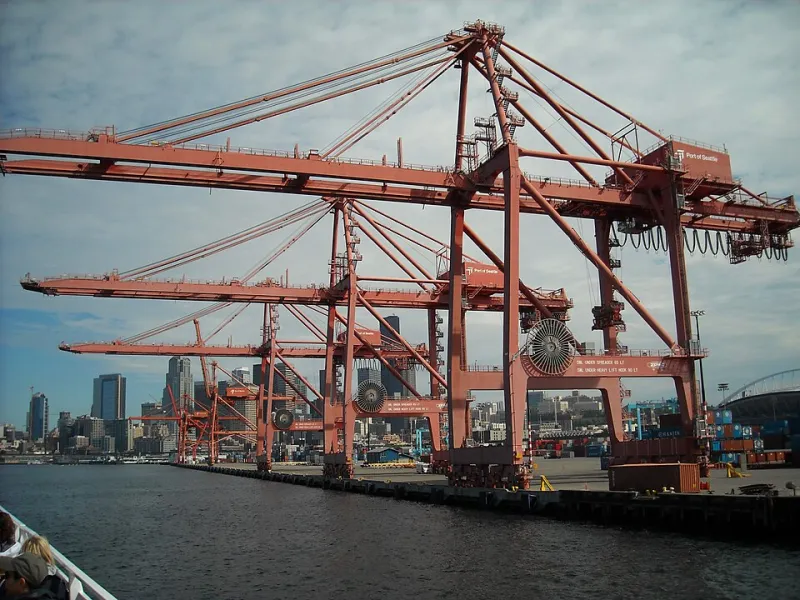
Chinese port operators — both state-owned enterprises and private conglomerates — are quietly building one of the most consequential logistics networks in modern trade history. From East African terminals to South American container hubs, this infrastructure push is redrawing the map of global supply chains. For US companies sourcing from or shipping to China, understanding this shift is no longer optional.

Tariff-Proof Your Supply Chain: How US Importers Are Staying Competitive in a Shifting Trade Climate

Tariff-Proof Your Supply Chain: How US Importers Are Staying Competitive in a Shifting Trade Climate

As US-China trade policy continues to evolve, American importers are deploying increasingly sophisticated strategies to protect their margins without abandoning the supplier relationships they've spent years building. From tariff engineering to regional diversification, the playbook is more nuanced than headlines suggest. Here's what the most resilient companies are doing differently.

Beyond the Factory Floor: Why US Companies Are Quietly Rethinking Their China Manufacturing Ties

Beyond the Factory Floor: Why US Companies Are Quietly Rethinking Their China Manufacturing Ties

A sweeping shift is underway as American retailers and manufacturers reassess decades-old sourcing relationships with Chinese suppliers. Driven by escalating tariffs, geopolitical friction, and hard lessons learned from pandemic-era disruptions, this movement is reshaping global commerce in ways that will define trade strategy well into 2026 and beyond. Here is what US importers need to understand before making their next sourcing decision.